Hello all, welcome back to another ‘updates from the field’ style post, where I’d like to discuss what we got up to at the cemetery this week! It was an extremely busy week, and we got quite a lot accomplished, and learned a load of new skills throughout it all that I am very excited to use throughout this program and hopefully throughout my career as a historical archaeologist.
Little woodchuck friend coming to see why we were digging so many holes in their field!
Hello friends, today I’d like to tell you about the first week at my new spring/summer job. I was overjoyed to have recently been hired for a short-term contract at Woodland Cemetery as a Monument Conservator! The job is funded through Canada Summer Jobs program (which isn’t just for students, folks!), so thank you to that wonderful funding that is allowing me to spend eight weeks training to do something I’ve wanted to do for a while…restore and conserve historic burial markers. I feel like I’m living in a burial archaeology dream world right now!
If you want to follow along with the cemetery’s heritage blog, check it out HERE!
If you are new to the study of burial markers and don’t come from a geologic background or have prior knowledge in basic geology, grasping the differences in materials found in burial grounds might seem like a monumental task! In this post, we will be discussing the composition and problems/perks of different stone types that are found across North American historical burial grounds, as well as common weathering issues that can be seen across these stones. I do my best to keep this post up to date as I learn more about the geologic processes at work in our historic cemeteries and graveyards.
(last update: December 4, 2023)
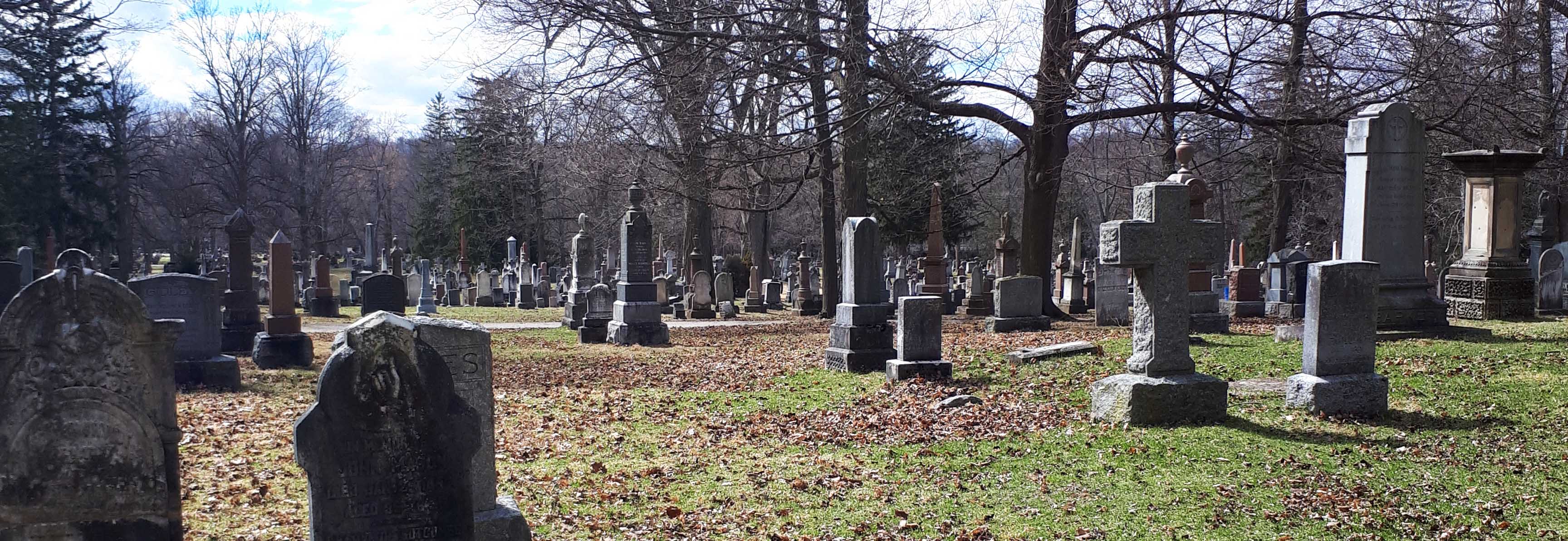
Woodland Cemetery, London. ON. (Photo by author 2019).
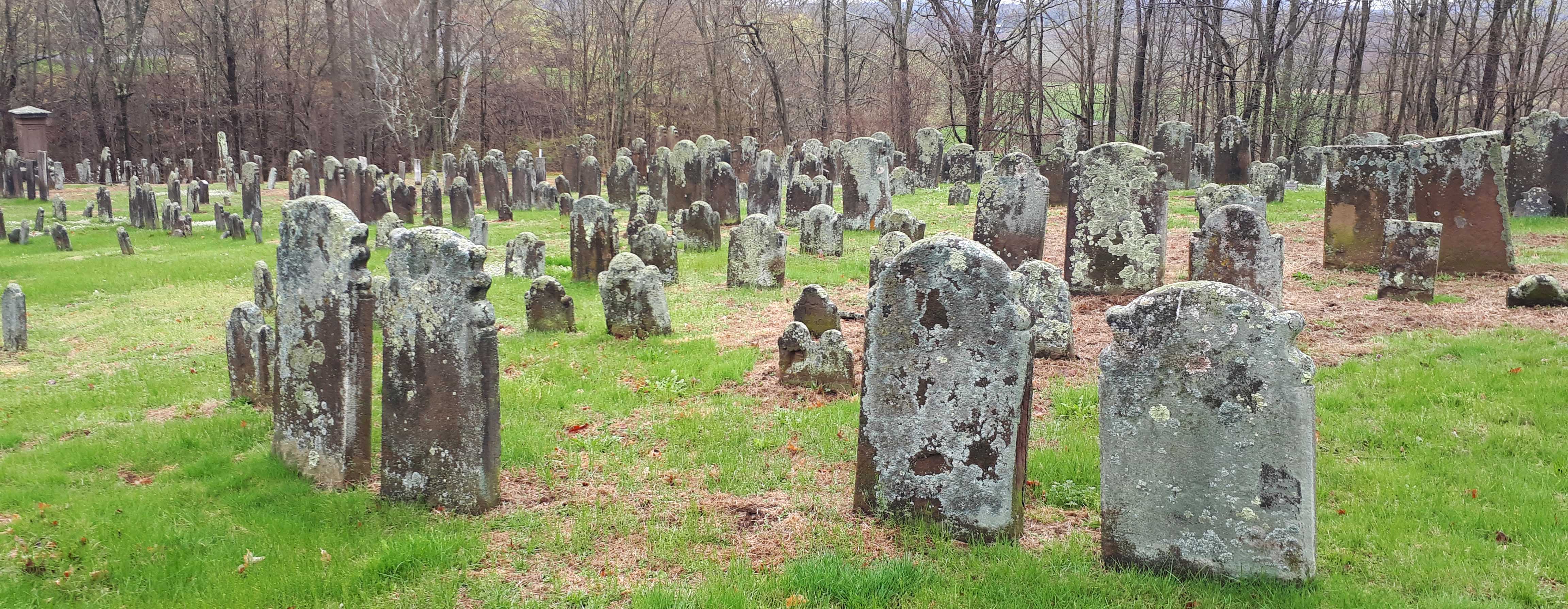
For Easter holiday this year, we had the fortune of traveling to Connecticut to visit my partner’s family, eat a lot of chocolate, and (of course) explore some historic burial grounds. Since this was a short trip we only made it to two, and today I’d like to take you on a little tour of the Old Durham Cemetery in Durham, CT, which opened in 1700!
The modern name of the site includes the word ‘cemetery’ but as you may already know, that term wasn’t utilized in North America until the 1830s, so I’ll continue this post referring to it as a ‘burial ground’ unless using the site’s name. Continue reading →
Today’s post is based on ongoing research that started as a prompt for a term paper in grad school. I’ve been conducting research on roman lettering development on upright gravestones for some time (there is a paper on the way, I swear. It’s bogged down in reviewer/edits land but it will be out there eventually!), and this research was based on my interest in the development of lettering styles on gravestones. More specifically, the development of lettering styles carved in a ‘remote’ area, that might not have access to lettering books or script trends as carvers in more urban centres in the British Isles were. Lets delve in, shall we?
Update May 28, 2024: Hi there, if you’ve come to this website from an article denying the atrocities of the Canadian residential school systems, please know that my research does not agree with that idea at all. Through oral history and archaeological evidence, it is extremely obvious that numerous children were harmed, killed, and buried on the properties of residential schools. This post discusses the cultural concept of if a grave can ever be considered ‘no longer there’, and the overwhelming answer is no. So even if you think the decomposition of a body warrants the grave disappearing, the answer is no, no it does not. To believe that white settler graves are in perpetuity, and not Indigenous graves, is frankly racist.
This is a topic I’ve discussed with colleagues on several occasions, and most recently in a really engaging thread on twitter: When is a grave…no longer a grave? If ever, at what point might that happen? There isn’t one definitive answer to this question, and the understanding of a grave, its significance, and longevity are rooted in our backgrounds, cultures, and society. I’ve finally found some time to sit down and write up the results of the discussion, and share some thoughts with you all.
This is a particularly special site I’d like to discuss with you today: The Fairview Cemetery, near Oliver, BC. Fairview was a gold mining town in the South Okanagan-Similkameen, born out of the gold rush in the area in the late 1880s. Legend has it that gold was first discovered by a one-armed man in the 1860s, but no Europeans arrived to exploit the areas for gold until the 1880s. It was located just west of the modern-day town of Oliver, and some older homes in Oliver are said to have been built out of wood salvaged from the would-be ghost town.
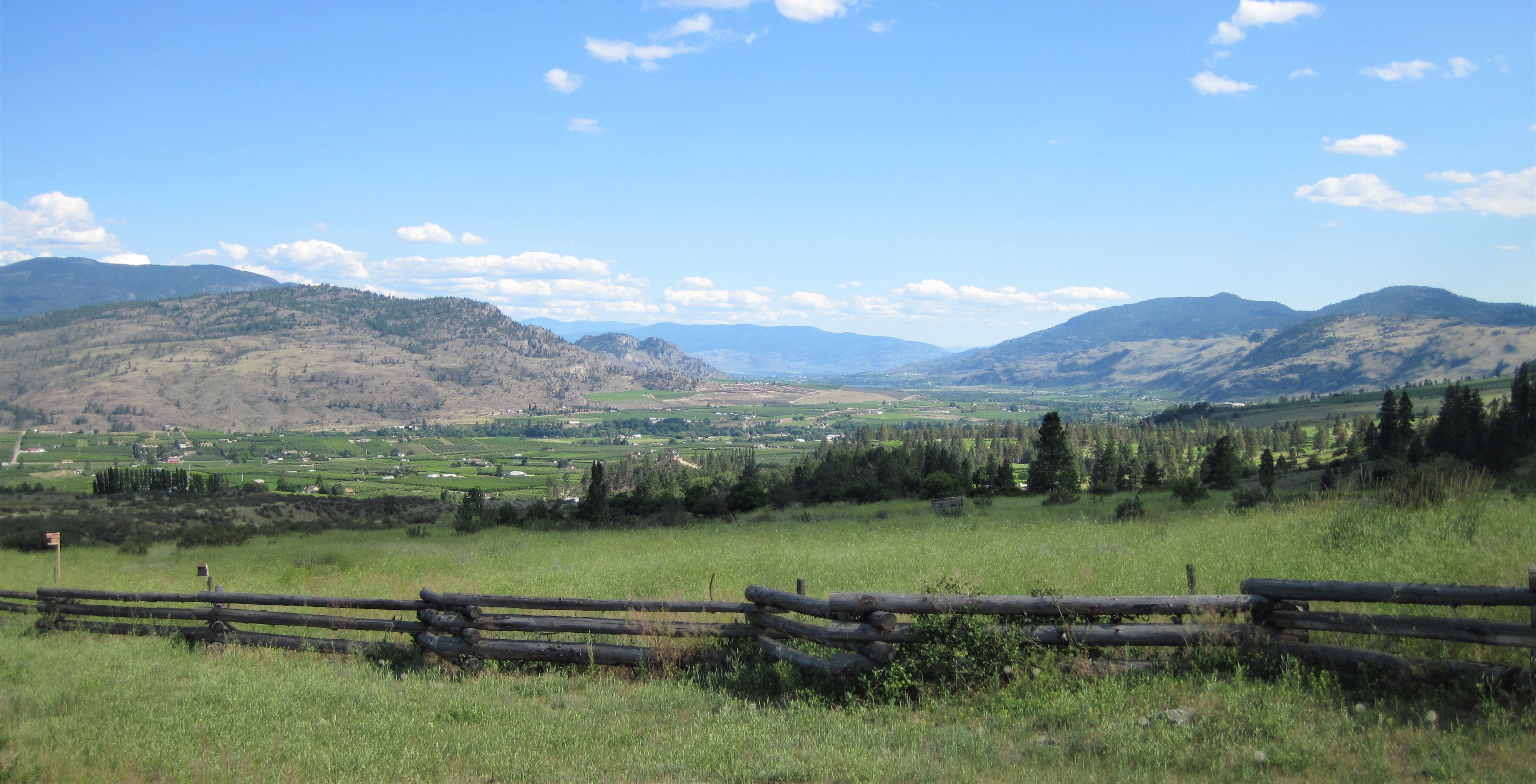
View from the Fairview townsite over the South Okanagan
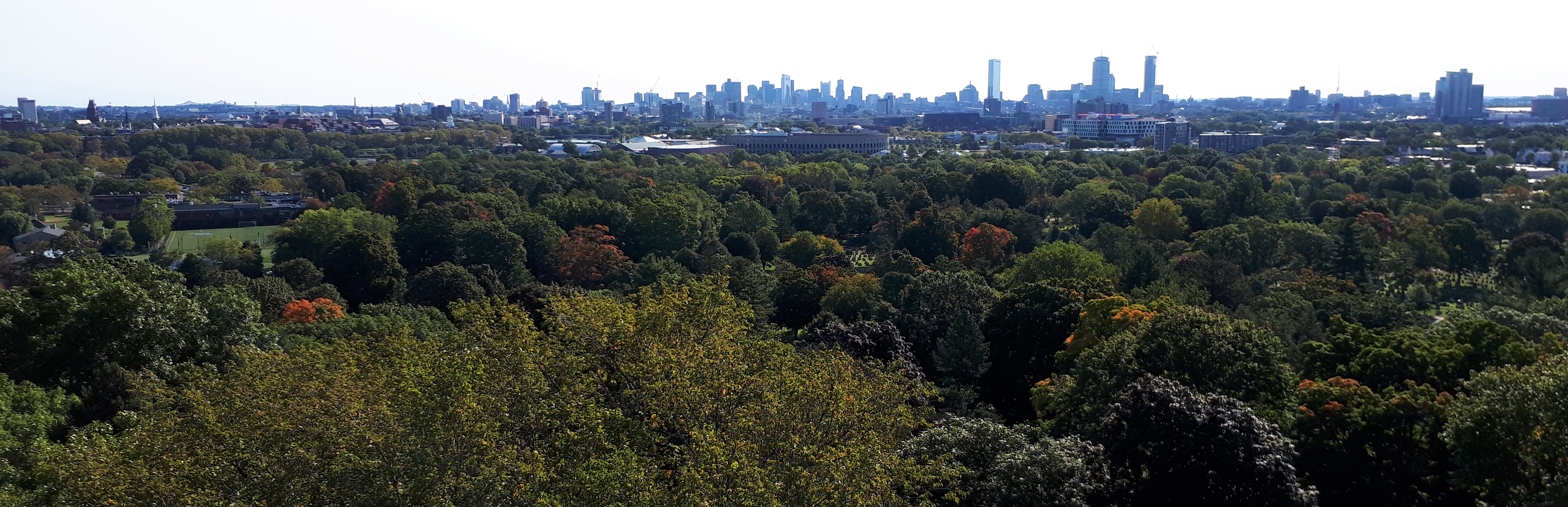
Last week I had the utter pleasure of attending and presenting my research at Death Salon Boston, put on by the Order of the Good Death and hosted at Mount Auburn Cemetery. For anyone new to this blog / death and burial studies in general, Mount Auburn Cemetery is significant as the first landscaped rural garden cemetery in North America, opening in 1831 and is still an active cemetery today.
My talk, “An Inconvenient Corpse: Winter Dead in colonial Canada” discussed how individuals at early colonial settlements dealt with their dead during the winter. It’s just not something we think about that much! I’d like to summarize my talk in this post for everyone who didn’t get to attend the conference (it sold out so quickly), and just some all around thoughts about my experience at Death Salon Boston!
Today on Curious Canadian Cemeteries we are going to take a look at the site that I got a chance to visit last weekend, the Toronto Necropolis!
Last weekend we went to Toronto for the long weekend to visit family, and I was surprised was a visit to the Necropolis. So without further adieu, lets take a look at an amazing, and high profile site! Get ready everyone, this site is amazing!
A little while ago, we went on a mini-holiday to Saratoga Springs, NY, for the Canada Day long weekend. I was very excited to do several things I’ve always wanted to do in Saratoga:
a) Visit some of the springs / drink out of them
b) See a burial ground (literally any, how did I miss doing this last time I was there?)
c) swim in the Victoria pool (this one was added a few weeks before the trip when I found out the pool existed. Totally worth the trip!)
Welcome to the Putnam Burying Ground, which we did not think to call ahead to and therefore couldn’t actually go inside!
View of the Putnam Burial Ground from the street, with the Putnam Family Plot to the left of centre (photo by author, 2018)






 Spade & the Grave