
If you’ve been a reader for the last year or two, you’ll know that I’m currently working on my PhD in historical archaeology at Memorial University of Newfoundland & Labrador! My research is looking at the development of the 17th-century burial landscape in northeast North America, and through the centuries in the outport community of New Perlican, NL. Part of this research involves combing through accounts from the 17th century for details on death, burial, and funeral practices at the time. This information gives us a better idea of how the burial grounds were being used, what people thought of them, and how they changed through the decades and centuries.
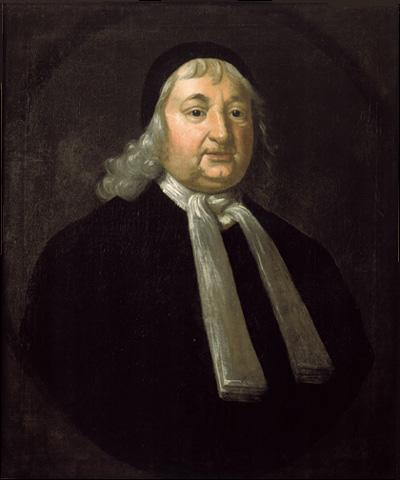
Now, I’m only 9 months into my program and have just finished my coursework a few weeks ago, so I don’t have too much of my own research finished yet, but other than lining up some fieldwork and preparing for my comprehensive exams this fall (eep!), I’ve been cataloguing mentions of burials and funerals in the diary of Samual Sewall. Judge Sewall, a public figure and later known for his involvement in the Salem witch trials of May, 1893 (for which he later publicly apologised, so that’s nice), kept a diary of his life fairly regularly from 1674 – 1729, one year before his death. Many Puritans kept detailed diaries and Sewall is no exception. Due to his importance in the community as an educated judge and printer, he was very aware of the community and recorded deaths beyond his own family.
Continue reading


 In a place often referred to as ‘The Rock’, it sounds a bit redundant to be importing gravestones, but for a period in the 18th-early 19th century, that is exactly what people in Newfoundland were doing. By people, I of course mean people who could afford to have gravestone carved overseas and shipped across the ocean. There are locally carved gravestones as well going back to the 17th-century! I even have a puzzle for all of you gravestone enthusiasts out there, but we’ll get to that in a moment.

 Spade & the Grave