Here we are, 3/4 weeks complete for the 2017 field season!
Cumulatively, this makes my 9th week excavating at Ferryland in search of the 17th-century burials. Lets go over what we uncovered this passed week, and then I’d like to talk about visitors to public archaeology sites and what we know so far about the burial ground!
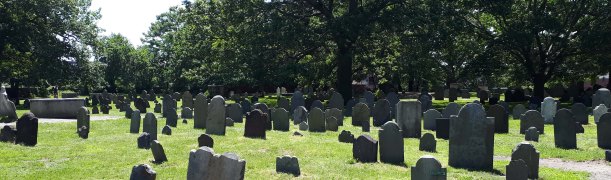
I recently had the pleasure of visiting some of the historic burial grounds in Salem, Massachusetts during my recently holiday to the area. I was particularly excited to visit Salem because it was not only an important site in the history of colonial New England, but it was a part of the survey I did of settlements for my MA research so getting to see it in person was a real treat! I decided to use the opportunity as a case study to investigate a particularly popular gravestone design. Continue reading →
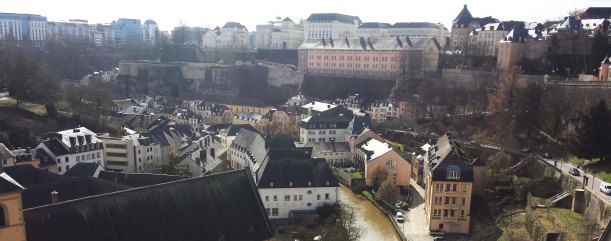
I recently had the honour of presenting some of my research at the Transmortality Conference in Luxembourg City, Luxembourg. The conference dealt with the themes of materiality and spatiality of death and dying historically and in modernity, and as my research mainly deals with spatial aspects of burial landscapes, I was beyond excited to attend and present at the conference, and chat with like-minded researchers from all over the world!
The Transmortality project is being conducted by Université du Luxembourg, and if you’re interested in their work, there will be a special issue of the journal Mortality coming out on the theme in 2019. More information on the project can be found here: https://transmortality.uni.lu/ Continue reading →
I did say that my next post was going to be about the Ferryland gravestones, so here we are! Before I can get into the stone analysis bit though, we first need to discuss death at Ferryland.
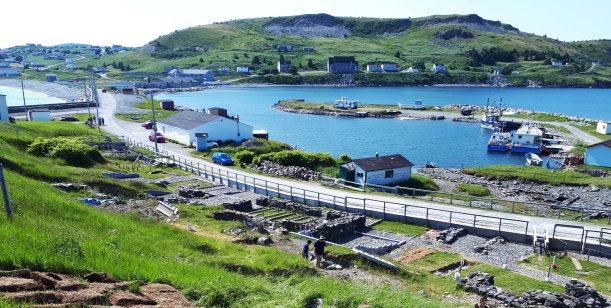
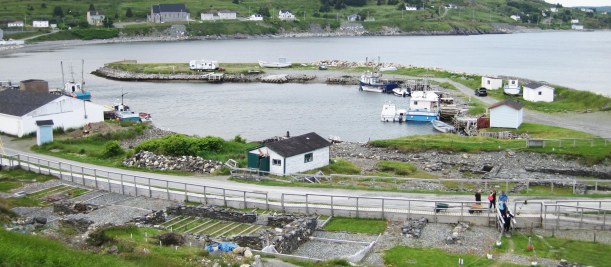
Ferryland had long been known as a good harbour before the establishment of the 1621 settlement. In fact, there have been Beothuk hearths found at Ferryland, but their relationship (if any) with migratory European fishermen prior to the settlement being founded is unknown. The natural spit that juts out into the water creates a protected harbour, breaking waves and keeping boats sheltered from the harsh Atlantic storms. It was a natural place for people to want to live, and to die. Continue reading →



 Spade & the Grave